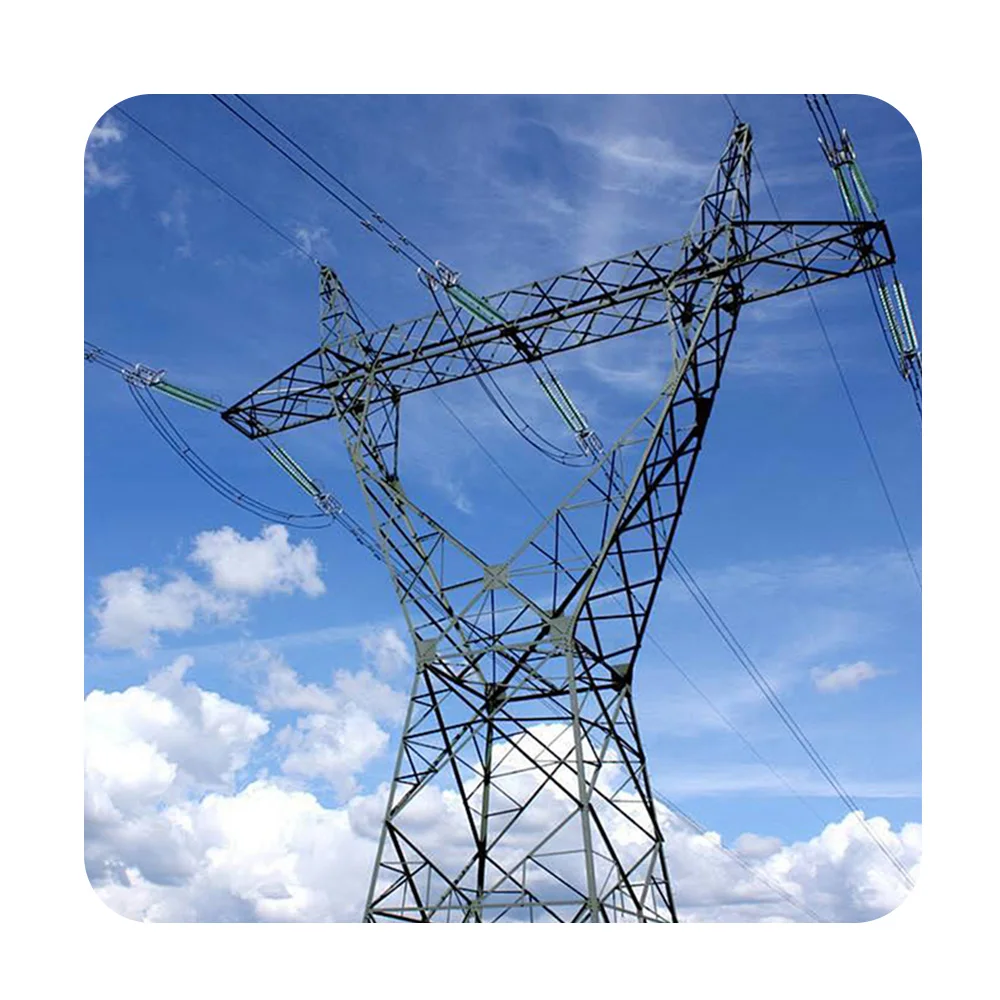
In the world we live in, connectivity is no longer a luxury—it’s a necessity. From making calls to streaming videos and sharing photos, everything hinges on wireless communication. Yet, the backbone of this digital revolution is something most of us rarely think cell tower about: the cell tower. These towering structures are the silent sentinels of the digital age, keeping us connected even when we don’t realize it. But what exactly are cell towers, and why are they so crucial to our modern lives?
The Invisible Giants
Cell towers are more than just metal structures dotting the landscape. They are vital components of the cellular network that supports everything from basic phone calls to high-speed internet access. These towers house antennas and transmitters that send and receive electromagnetic signals, enabling communication between mobile devices and the broader network infrastructure. They may seem commonplace, but without them, wireless communication as we know it would cease to exist.
While we interact with the results of their work daily, like texting or using mobile apps, the actual mechanics behind cell towers involve complex technology, intricate design, and careful placement.
How Do Cell Towers Work?
To grasp the importance of a cell tower, it’s essential to understand its role in the communication process. When you make a phone call or send a message, your device doesn’t communicate directly with the person you’re reaching. Instead, your signal is sent to the nearest cell tower, which then forwards it to a central switching station. From there, it’s routed to the appropriate network and transmitted to the other person’s device.
Cell towers operate on a frequency spectrum, with each tower covering a specific geographic area known as a “cell.” The cells work together, forming a larger network that ensures uninterrupted coverage across vast distances. As you move, your device seamlessly connects to new towers, ensuring that the call or data transfer continues without interruption. This dynamic handoff between towers is a fundamental aspect of the cellular system.
Types of Cell Towers
Not all cell towers are created equal. There are several types of towers, each designed to meet specific needs, environments, and capacities.
-
Monopole Towers: The most common type of cell tower, monopoles are slender, single-pole structures often seen in urban and suburban areas. They’re less obtrusive than traditional towers, making them ideal for dense neighborhoods.
-
Lattice Towers: These towers are composed of a framework of crisscrossing metal, making them more robust and able to support heavy antenna arrays. They are commonly found in rural areas, providing extensive coverage over large expanses.
-
Guyed Towers: Featuring cables that stabilize the structure, guyed towers are often the tallest and most cost-effective solution for providing coverage in remote areas. Their design allows for high elevation, ensuring a broader range of signal distribution.
-
Roof-Top Towers: In urban centers, space is limited. To overcome this, cell towers are sometimes mounted on the rooftops of buildings. These towers are usually more discreet, blending into the cityscape while providing ample coverage to densely populated areas.
The Evolution of Cell Towers
Cell towers have come a long way since their inception. The first generation of cellular technology (1G) relied on analog signals and limited capacity, but it laid the foundation for the tower networks we depend on today. With each successive generation—2G, 3G, 4G, and now 5G—the role of the cell tower has evolved, becoming more advanced and efficient.
-
2G: The introduction of 2G networks marked a shift from analog to digital, allowing for text messaging and better voice quality. Towers became more networked, creating a more reliable infrastructure.
-
3G: The arrival of 3G networks brought mobile internet to the masses, requiring more advanced towers to support data-heavy applications like video calls and web browsing.
-
4G: With 4G, mobile internet speeds soared, and towers became even more powerful to handle the demands of streaming, gaming, and cloud services.
-
5G: The latest breakthrough, 5G, has ushered in an era of ultra-fast speeds and near-instantaneous connectivity. These new towers are equipped with cutting-edge technology to handle the exponentially larger volume of data and lower latency, allowing for advancements in everything from autonomous vehicles to smart cities.
The Environmental and Societal Impact
While cell towers are indispensable, they often come with environmental and societal concerns. Critics point to the potential health risks associated with the electromagnetic fields (EMFs) emitted by the towers. Although scientific studies have yet to conclusively prove any direct harm, concerns persist, leading to increased scrutiny and regulation of tower placement.
A more pressing issue, however, is the visual impact. In rural and scenic areas, the sight of towering metal structures can detract from natural beauty. Efforts to camouflage towers, such as making them look like trees or integrating them into existing structures, have become common to mitigate their visual footprint.
In urban areas, however, the issue is more about congestion and space. As more towers are required to meet the demands of modern communication, balancing the need for coverage with the impact on communities becomes a growing challenge.
Future of Cell Towers: The Advent of 6G and Beyond
Looking ahead, the role of cell towers will continue to expand. With the upcoming rollout of 6G, cell towers will play an even greater role in connecting the world’s devices, enabling new applications that are only now being imagined. Tower infrastructure will evolve to support the expected surge in demand, accommodating everything from Internet of Things (IoT) devices to smart cities.
The integration of cell towers with satellites, drones, and other innovative technologies may also transform the landscape of communication. These new approaches will make connectivity more widespread, reducing the digital divide between urban and remote areas.
Conclusion
Cell towers are the unsung heroes of the digital age. Their role in enabling wireless communication cannot be overstated. As we move toward more interconnected societies, these towering structures will continue to evolve, shaping the future of connectivity. While we may not always notice them, cell towers remain the invisible threads that keep us all connected, allowing us to communicate, share, and interact in ways that were once unimaginable. As the technology behind them advances, we can only anticipate the next giant leap forward in the world of wireless communication.