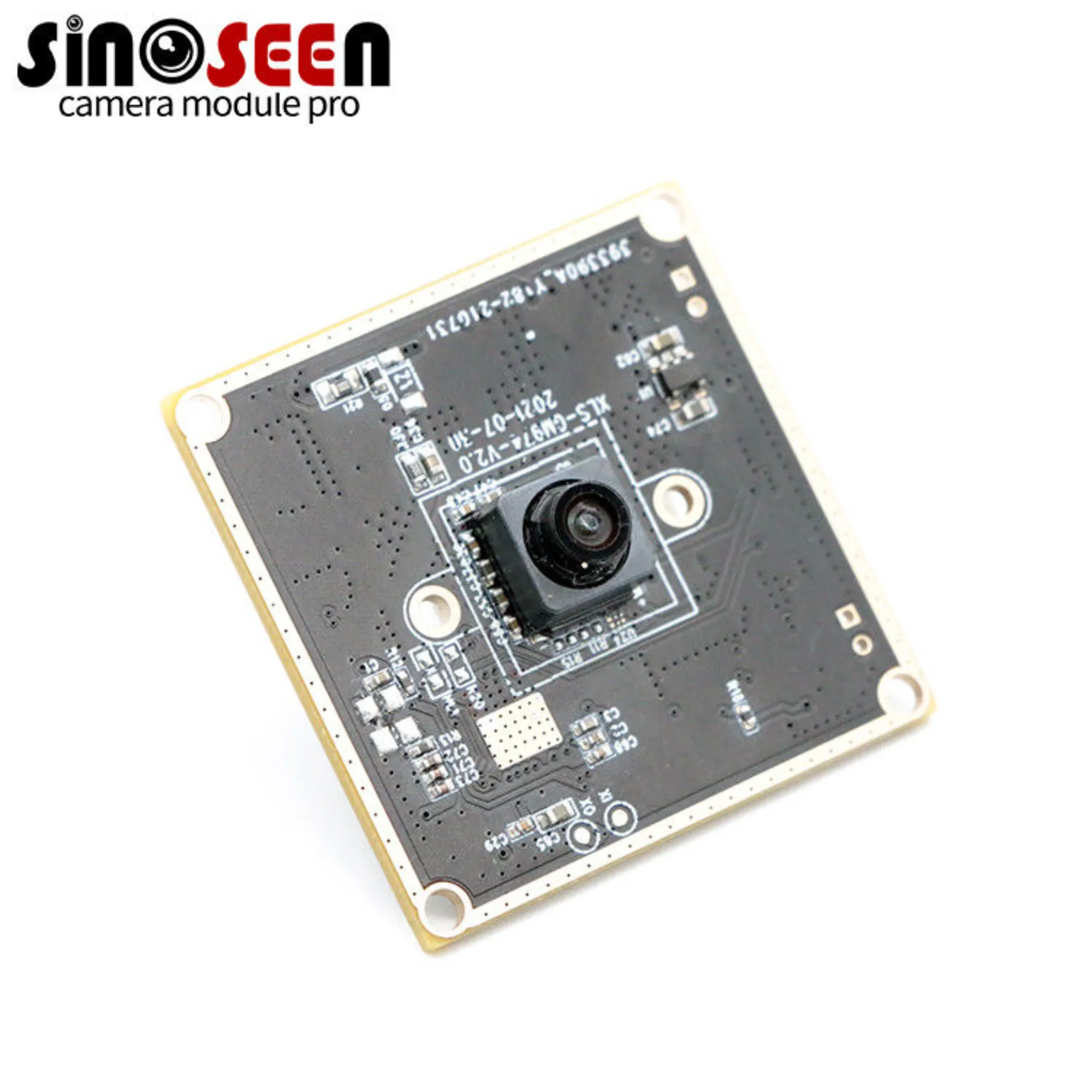
In the realm of imaging technology, the Infrared (IR) Camera Module stands out as a remarkable innovation, enabling vision beyond the visible spectrum. Unlike conventional cameras that capture light within the visible range (roughly 400–700 nanometers), ir camera module detect infrared radiation, which is invisible to the human eye. This capability opens doors to a wide array of applications from night vision and thermal imaging to industrial inspection and advanced security systems.
What Is an IR Camera Module?
An IR camera module is an integrated device combining an infrared sensor with an optical lens and signal processing electronics to detect and capture images based on infrared radiation. This radiation, emitted or reflected by objects, is often related to their temperature or specific material properties.
There are two main types of infrared cameras:
-
Near-Infrared (NIR) Cameras: Operating roughly from 0.7 to 1.4 microns, these cameras capture reflected infrared light, useful in applications like biometric scanning and low-light imaging.
-
Thermal Infrared Cameras: Operating in the mid to far-infrared spectrum (around 3 to 14 microns), these detect emitted thermal radiation, which correlates to an object’s temperature.
The IR camera module’s sensor, often a microbolometer or InGaAs (Indium Gallium Arsenide) photodiode array, converts the infrared radiation into electrical signals, which are then processed to produce an image visible to users.
Unique Technology Behind IR Camera Modules
1. Sensor Technology
Microbolometer sensors, commonly used in uncooled thermal IR cameras, measure temperature changes caused by absorbed IR radiation. Unlike cooled sensors, microbolometers work at room temperature, making modules smaller and more affordable.
For NIR cameras, photodiode arrays like InGaAs or silicon-based CCDs equipped with specialized coatings detect near-infrared light reflected from objects, facilitating applications such as facial recognition under low-light conditions.
2. Lens and Optics
IR camera lenses are designed from materials like germanium, chalcogenide glass, or zinc selenide because traditional glass lenses absorb infrared radiation. The optics are optimized to focus IR wavelengths sharply on the sensor.
3. Signal Processing
After detection, the electrical signals undergo processing to enhance image quality and extract meaningful data. Advanced modules integrate AI-based algorithms for object detection, thermal mapping, and anomaly identification in real time.
Revolutionary Applications of IR Camera Modules
1. Night Vision and Surveillance
IR camera modules enable clear vision in complete darkness by detecting heat signatures, revolutionizing military and civilian surveillance. They help security personnel monitor perimeters without visible lighting, reducing detection risk.
2. Industrial Inspection and Predictive Maintenance
Thermal IR cameras detect overheating components in electrical circuits, mechanical equipment, and pipelines before failures occur. Early detection prevents costly downtime and enhances safety.
3. Healthcare and Medical Diagnostics
Non-contact temperature measurement and thermography aid in diagnosing inflammation, vascular diseases, and fever screening, especially significant during pandemic outbreaks.
4. Autonomous Vehicles
Self-driving cars employ IR modules to perceive the environment in low visibility conditions such as fog, rain, or night, improving safety and navigation.
5. Agriculture
IR cameras help monitor crop health by detecting stress and water deficiencies via thermal signatures, enabling precision farming and resource conservation.
6. Consumer Electronics
Smartphones and wearable devices incorporate NIR modules for face recognition, gesture control, and augmented reality applications.
Future Trends and Innovations
The IR camera module technology is evolving rapidly:
-
Miniaturization: Integration with system-on-chip (SoC) technology enables compact, power-efficient IR cameras for mobile and IoT devices.
-
Multi-Spectral Imaging: Combining IR with visible and ultraviolet imaging offers richer data for advanced diagnostics and material analysis.
-
AI Integration: Embedded machine learning models enhance object recognition and predictive analytics in real-time, expanding autonomous system capabilities.
-
Affordable Thermal Imaging: Advancements in manufacturing are driving down costs, making thermal cameras accessible for everyday consumer use.
Challenges to Overcome
Despite progress, IR camera modules face hurdles like limited resolution compared to visible light cameras, sensitivity to environmental factors (rain, fog), and higher power consumption in cooled systems. Research continues to improve sensor materials and cooling technologies.
Conclusion
The IR camera module represents a fusion of sophisticated sensor technology, specialized optics, and intelligent processing, enabling vision beyond human capabilities. Its applications span diverse fields from security and healthcare to agriculture and autonomous systems. As technological advances push the boundaries of resolution, affordability, and integration, IR camera modules are poised to become an indispensable tool across industries, illuminating the unseen world with unprecedented clarity.