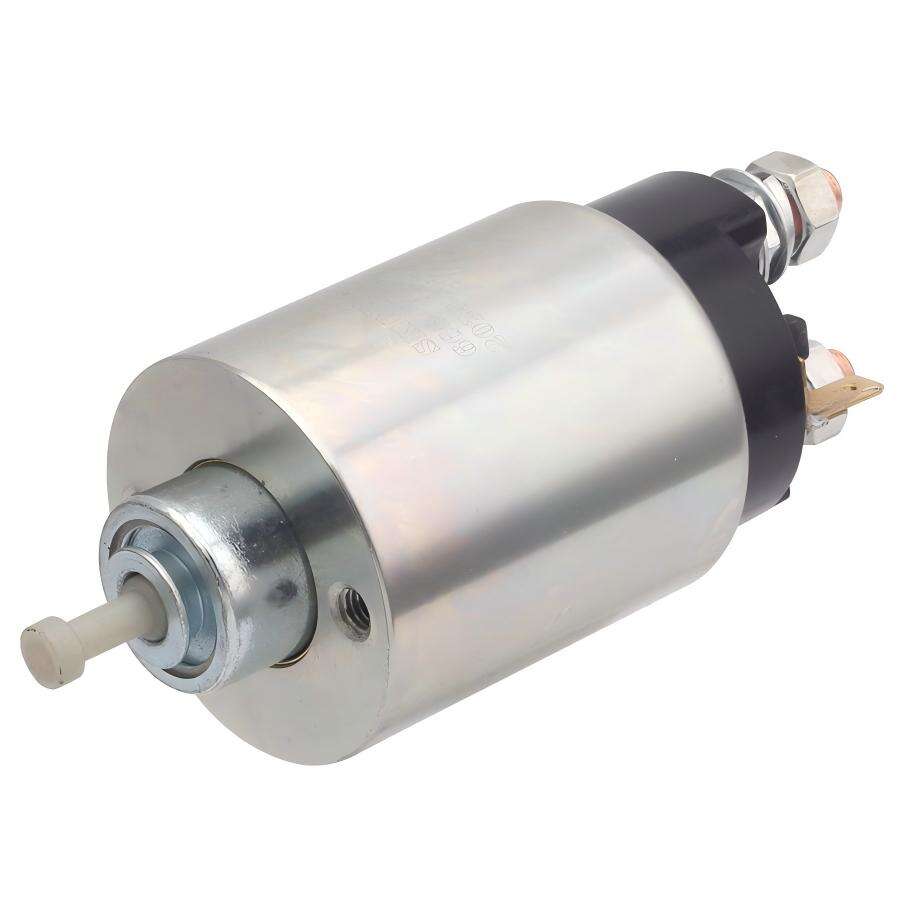
 A starter solenoid is an essential component in the starting system of most internal combustion engine vehicles. Though it may seem like a small and simple part, the starter solenoid plays a crucial role in enabling your engine to crank and ultimately start. Understanding how it works can help you appreciate the intricacies starter solenoid the seemingly effortless action of turning the ignition key and hearing your engine roar to life. In this detailed explanation, we’ll explore what a starter solenoid is, its function within the starting system, how it operates, common issues, and the overall importance of this device in your vehicle.
What Is a Starter Solenoid?
The starter solenoid is essentially an electromagnetic switch that is mounted either on or near the vehicle’s starter motor. It acts as the intermediary between the battery and the starter motor. Unlike the starter motor itself, which physically cranks the engine, the solenoid’s primary role is to engage the starter motor and allow the high current from the battery to flow to it. It also helps move the starter motor’s drive gear into position so it can mesh with the engine’s flywheel.
Inside the starter solenoid, there is a coil of wire wrapped around a movable plunger or core. When electricity flows through this coil, it creates a magnetic field that moves the plunger. This movement closes a pair of heavy-duty contacts that complete the circuit to the starter motor, allowing it to receive the high electrical current it needs to turn over the engine.
The Role of the Starter Solenoid in the Starting System
The starting system of a vehicle is made up of several components that work together to start the engine. These include the ignition switch, battery, starter relay, starter solenoid, and the starter motor itself. When you turn the ignition key or press the start button, a low current signal is sent from the ignition switch to the starter solenoid.
The solenoid then acts as a heavy-duty relay, closing the circuit between the battery and the starter motor. This allows a large amount of current—often hundreds of amperes—to flow from the battery to the starter motor. Without the solenoid, the ignition switch would need to handle this enormous current directly, which is impractical and could cause damage.
Furthermore, the solenoid also mechanically engages the starter motor’s drive gear (often called a Bendix gear) with the engine’s flywheel or flexplate. This gear engagement is necessary to transfer the starter motor’s rotational force to the engine’s crankshaft, causing it to spin and initiate the engine’s combustion cycle.
How the Starter Solenoid Operates Step-by-Step
-
Ignition Signal Activation: When the driver turns the key to the “start” position or presses the start button, the ignition switch sends a low voltage electrical signal to the solenoid’s control terminal.
-
Magnetic Field Generation: The low voltage current flows through the coil inside the solenoid. The coil acts like an electromagnet, producing a strong magnetic field.
-
Plunger Movement: The magnetic field attracts the plunger (or armature) inside the solenoid, pulling it inward. This movement performs two critical functions simultaneously.
-
Engaging the Starter Gear: The plunger is connected to a lever or mechanism that pushes the starter motor’s drive gear forward, engaging it with the engine’s flywheel teeth.
-
Closing High Current Contacts: As the plunger moves, it also closes a set of heavy-duty contacts inside the solenoid. These contacts connect the battery’s positive terminal directly to the starter motor, allowing a large amount of electrical current to flow.
-
Starter Motor Spins: With the circuit complete, the starter motor receives power and begins to turn. This rotation is transferred through the drive gear to the flywheel, turning the engine’s crankshaft.
-
Engine Starts: As the engine turns over, combustion begins. Once the engine fires up and the driver releases the key from the start position, the ignition signal to the solenoid stops.
-
Disengagement: Without current, the magnetic field collapses, and springs return the plunger and drive gear to their resting positions. This disengages the starter motor from the flywheel and opens the high-current contacts, stopping the starter motor.
The Importance of Proper Gear Engagement
One of the vital roles of the solenoid is to ensure the starter motor’s drive gear meshes smoothly with the engine’s flywheel. If the gear doesn’t engage properly, the starter motor might spin without turning the engine (a condition known as “free spinning”), or the gears might grind and cause damage.
The solenoid’s plunger mechanism pushes the gear into the correct position before allowing the high current to flow. This sequence helps protect both the starter motor and the engine from mechanical harm. In modern vehicles, the timing of this engagement is carefully engineered to provide smooth operation and longevity for the starting system.
Common Problems With Starter Solenoids
Despite its crucial function, the starter solenoid can experience a range of issues over time due to wear, corrosion, electrical faults, or mechanical failure. Some of the common symptoms of a failing starter solenoid include:
-
Clicking Noise When Starting: A rapid clicking sound when turning the ignition key often indicates that the solenoid is attempting to engage but is not able to complete the circuit to the starter motor. This could be caused by worn contacts or weak coil.
-
No Response When Turning Key: If nothing happens when turning the key, the solenoid may have completely failed or may not be receiving the ignition signal.
-
Starter Motor Runs Continuously: Sometimes the solenoid can get stuck in the engaged position, causing the starter motor to run even after the engine has started. This can quickly drain the battery and damage the starter.
-
Intermittent Starting Problems: A faulty solenoid may cause inconsistent starting behavior, working sometimes and failing at other times due to loose internal contacts or electrical issues.
Electrical Considerations
The starter solenoid handles a large current flow, typically between 100 and 300 amps, depending on the vehicle. Because of this, the wiring and contacts within the solenoid must be robust and capable of handling such heavy loads without overheating or melting. Additionally, the solenoid’s coil only requires a small current, usually around 1 to 2 amps, to activate the mechanism.
Good electrical connections and properly functioning battery cables are essential for the solenoid to operate correctly. Corrosion, loose connections, or damaged wiring can all cause the solenoid to malfunction or fail completely.
Differences Between Solenoids in Various Vehicles
While the basic function of a starter solenoid remains consistent across vehicles, their design can vary. In older vehicles, the solenoid was often a separate component mounted on the fender well or firewall, connected by heavy cables to the starter motor. In many modern vehicles, the solenoid is integrated directly onto the starter motor itself, creating a single compact unit.
Additionally, some advanced vehicles use electronic control modules to manage starting functions, but the starter solenoid remains the primary heavy current switch responsible for engaging the starter motor.
Maintenance and Replacement
Starter solenoids generally require little maintenance because they are sealed units designed for durability. However, because they deal with high electrical currents and mechanical movement, they can wear out over time.
If you experience starting issues, testing the solenoid is a crucial step in diagnosing the problem. In some cases, the entire starter motor assembly is replaced because the solenoid is integrated into it. In other cases, especially with older vehicles, the solenoid can be replaced separately at a relatively low cost.
When replacing a solenoid, it’s important to ensure proper installation, tight electrical connections, and compatibility with the vehicle’s electrical system to guarantee reliable performance.
Why Understanding the Starter Solenoid Matters
Many drivers take starting their vehicles for granted, but the process depends heavily on the starter solenoid’s precise function. A faulty solenoid can leave you stranded, unable to start your car or truck, which is frustrating and sometimes dangerous.
Understanding how the starter solenoid works empowers vehicle owners to better diagnose problems, communicate with mechanics, and maintain their vehicles proactively. It also highlights how even small components play a big role in complex automotive systems.
In summary, the starter solenoid is an electromagnetic switch that controls the flow of high current from the battery to the starter motor while mechanically engaging the drive gear with the engine’s flywheel. Its reliable operation is critical to starting your vehicle, and when it fails, symptoms like clicking noises, no starts, or continuous motor running often occur. Proper maintenance, timely diagnosis, and replacement when necessary ensure that this small but mighty component continues to perform its vital role day after day.