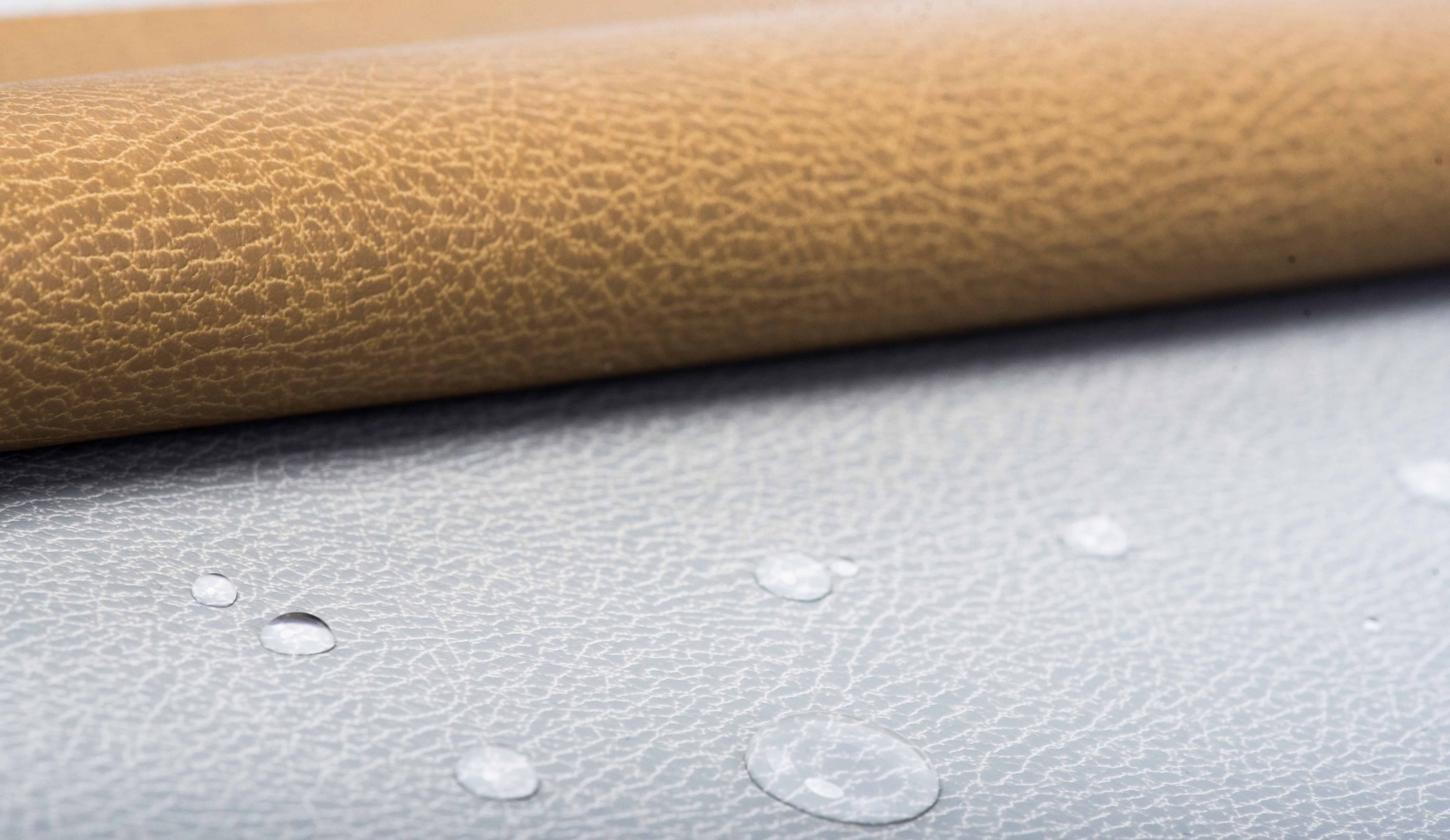
In the world of fashion, design, and materials, the blending of tradition and innovation often leads to the creation of products that stand out in both aesthetics and functionality. One such example is the fusion of leather and silicon, a combination that marries the timeless appeal of genuine Leather & Silicon Leather leather with the modern versatility of silicon. This synthesis, commonly referred to as “Silicon Leather” or “Leather & Silicon Leather,” is revolutionizing industries like fashion, automotive interiors, and tech accessories, offering a harmonious balance of durability, comfort, and sustainability.
The Age-Old Elegance of Leather
Leather, with its rich history, has been revered for centuries as a premium material. Known for its luxurious texture, durability, and natural beauty, leather has been a staple in high-end fashion, furniture, and even vehicles. The timeless nature of leather speaks to its versatility—used in everything from shoes to jackets, bags to upholstery, its applications are vast.
However, traditional leather has faced criticism in recent years due to its environmental impact. Leather production involves the use of chemicals, large amounts of water, and the ethical considerations surrounding animal welfare. These challenges have prompted the fashion and design industries to seek alternatives that provide the same luxurious appeal but with a more sustainable, eco-conscious footprint.
Silicon: The Modern Miracle
Silicon, a synthetic material often used in electronics, tech gadgets, and even medical devices, has emerged as a powerful alternative to many conventional materials. Renowned for its flexibility, resilience, and adaptability, silicon is increasingly being used in various consumer goods, particularly for its durability and ease of maintenance.
When introduced into the realm of fashion and design, silicon offered solutions to some of the limitations of traditional materials, particularly leather. Its lightweight nature, water resistance, and ability to mimic textures have made it a valuable player in the development of “Silicon Leather.”
What is Silicon Leather?
“Silicon Leather” is a term used to describe a hybrid material that combines the tactile properties and appearance of leather with the advanced capabilities of silicon. This innovative fusion allows for a product that mimics the rich texture of genuine leather while offering the benefits of silicon, such as enhanced durability, water resistance, and flexibility.
The creation of silicon leather typically involves embedding silicon-based compounds into a fabric or polymer matrix. This hybrid material can be produced in various textures and finishes, allowing it to resemble natural leather while offering far superior performance in terms of wear-and-tear resistance and ease of cleaning. The material is highly customizable, with the ability to be dyed, embossed, or molded into specific shapes or patterns—just like traditional leather.
Advantages of Leather & Silicon Leather
- Durability and Flexibility: Silicon leather offers exceptional durability. Unlike genuine leather, which can crack and fade over time, silicon leather retains its form and texture even after years of use. Its flexibility also makes it more resilient to stretching and bending, giving it a longer lifespan.
- Water and Stain Resistance: One of the primary benefits of silicon leather is its resistance to water and stains. Traditional leather can be easily damaged by moisture or spills, but silicon leather repels these elements, making it ideal for products exposed to the elements, such as phone cases, bags, or even furniture upholstery.
- Sustainability: As consumers become increasingly aware of environmental issues, the demand for sustainable materials has surged. Silicon leather offers a more eco-friendly alternative to traditional leather, as it can be made from renewable sources and is often biodegradable or recyclable. Additionally, it eliminates the need for animal-based materials, making it a cruelty-free option.
- Low Maintenance: Unlike genuine leather, which requires periodic conditioning to prevent drying or cracking, silicon leather is relatively low maintenance. It can be easily wiped clean, and its resistance to stains and water means it will retain its aesthetic appeal with minimal effort.
- Innovative Aesthetics: Silicon leather can be produced in a range of textures, from smooth to textured, giving designers a wide range of options. It can be made to resemble various types of leather, such as suede, grained leather, or glossy finishes, making it suitable for a variety of applications—from luxury fashion to automotive interiors.
- Cost-Effectiveness: While high-quality leather is often expensive due to the complexity of its production and sourcing, silicon leather offers a more affordable option for consumers without compromising on the luxury feel and look. This makes it an accessible choice for those seeking high-end aesthetics on a budget.
Applications of Leather & Silicon Leather
- Fashion: In the fashion world, silicon leather has found its place in the creation of bags, shoes, and jackets, offering a cruelty-free alternative to traditional leather goods. Designers have embraced the material for its sleek appearance, eco-friendly properties, and durability. Silicon leather can be embossed with custom patterns or logos, making it a popular choice for creating high-end accessories.
- Tech Accessories: Silicon leather has proven to be an excellent material for phone cases, laptop sleeves, and watch straps. Its protective qualities make it ideal for safeguarding tech devices, while its attractive appearance adds a touch of elegance and sophistication. In addition, the flexibility and shock-absorbing capabilities of silicon leather help to protect electronics from damage.
- Automotive Interiors: Silicon leather is increasingly being used in the automotive industry, especially in car interiors. It is used for seat covers, dashboards, and trim details, providing a durable and stylish alternative to traditional leather. Silicon leather offers superior performance in harsh environments, such as extreme temperatures or high humidity, making it a practical solution for luxury vehicles.
- Furniture: Silicon leather is also making waves in furniture design. Sofas, chairs, and cushions made from this hybrid material are easy to clean, water-resistant, and incredibly durable. The material’s resistance to wear makes it ideal for high-traffic areas, and its smooth texture provides a refined, modern look to contemporary furniture pieces.
The Future of Leather & Silicon Leather
As technology continues to advance and sustainability remains a priority in both design and manufacturing, the role of silicon leather will only grow. Researchers are continually working on improving the material’s properties, such as making it even more eco-friendly, more flexible, or even more sustainable in its production processes.
Furthermore, with the increasing popularity of veganism and ethical consumption, silicon leather may emerge as the material of choice for fashion houses and consumers alike, allowing for high-end designs that are both luxurious and responsible.
Conclusion
Leather & Silicon Leather represents a groundbreaking shift in material science, blending the timeless beauty and durability of leather with the innovative properties of silicon. The result is a material that provides both form and function—offering superior resilience, sustainability, and versatility without compromising on style. Whether in fashion, technology, or automotive design, the future of leather and silicon leather holds exciting possibilities, paving the way for a more eco-conscious, yet sophisticated, world of materials.