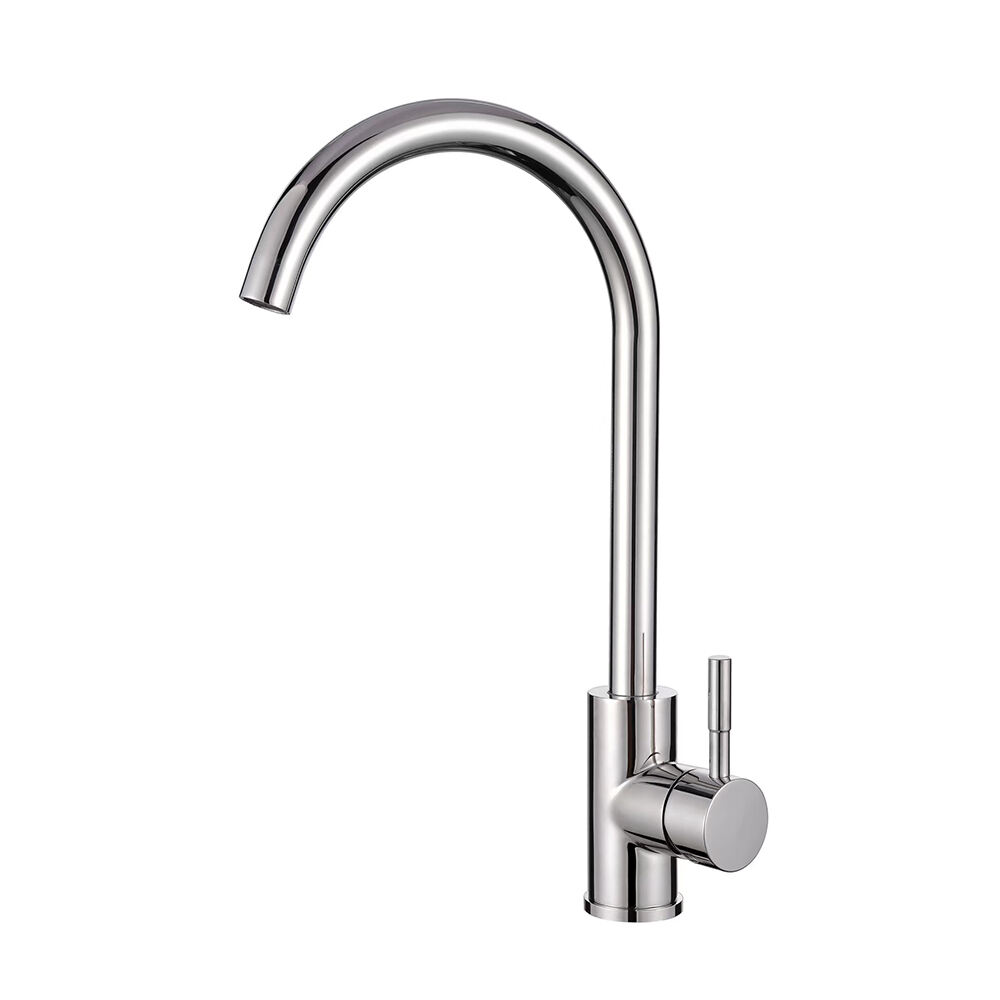
When it comes to the heart of any home—the kitchen—the kitchen basin stands as a silent kitchen basin yet indispensable hero. Often overlooked, the kitchen basin is far more than a simple sink; it is a multifunctional hub that blends practicality, hygiene, and style, shaping the entire kitchen experience.
What is a Kitchen Basin?
A kitchen basin, commonly referred to as a kitchen sink, is a dedicated fixture designed for washing dishes, cleaning food, and managing daily kitchen tasks. Traditionally made from stainless steel, modern kitchen basins now come in a variety of materials such as granite composite, ceramic, and even copper, each offering unique benefits that cater to diverse kitchen aesthetics and functional needs.
The Evolution of Kitchen Basins
From the early days of basic washbasins to the sophisticated, ergonomically designed basins of today, the kitchen basin has evolved dramatically. Innovations in design have introduced features like double bowls, integrated draining boards, and built-in disposal units. These advancements enhance efficiency, allowing multitasking such as rinsing vegetables in one bowl while soaking dishes in another.
Choosing the Right Kitchen Basin
Selecting a kitchen basin involves more than just size or material; it requires understanding the kitchen’s workflow. Factors such as the size of the household, frequency of cooking, and cleaning habits influence the choice. For instance, families with large meal preparations may benefit from a deep double basin, while minimalists might prefer a sleek, single bowl design.
Materials Matter: Durability and Design
-
Stainless Steel: The most popular choice for its durability, resistance to stains and heat, and cost-effectiveness.
-
Granite Composite: Known for its robustness and aesthetic appeal, it resists scratches and chips.
-
Ceramic: Offers a classic, timeless look, easy to clean but prone to chipping.
-
Copper: Provides natural antimicrobial properties and a rustic charm but requires maintenance to prevent patina.
Kitchen Basin Maintenance: Keeping It Clean and Functional
Maintaining a kitchen basin is essential to ensure hygiene and longevity. Regular cleaning with non-abrasive agents prevents stains and buildup. Additionally, ensuring the drainage system is clear avoids clogs and unpleasant odors.
The Kitchen Basin and Sustainability
Modern kitchens are embracing sustainability, and the kitchen basin plays a role here too. Water-efficient faucets, eco-friendly materials, and smart drainage systems reduce water consumption and environmental impact. Some basins integrate filtration systems to promote water reuse, aligning with green living principles.
The Aesthetic Impact of Kitchen Basins
Beyond functionality, kitchen basins contribute significantly to kitchen design. Sleek undermount sinks blend seamlessly with countertops for a minimalist look, while farmhouse-style basins add a vintage, cozy feel. The choice of basin can set the tone for the entire kitchen, balancing form and function.
Conclusion
The kitchen basin, though often taken for granted, is a cornerstone of kitchen design and utility. Its evolution reflects changes in lifestyle, technology, and aesthetics, transforming it into a versatile fixture that supports cooking, cleaning, and even sustainability. Selecting the right kitchen basin tailored to your needs can elevate the kitchen from a mere cooking area to a harmonious and efficient space.