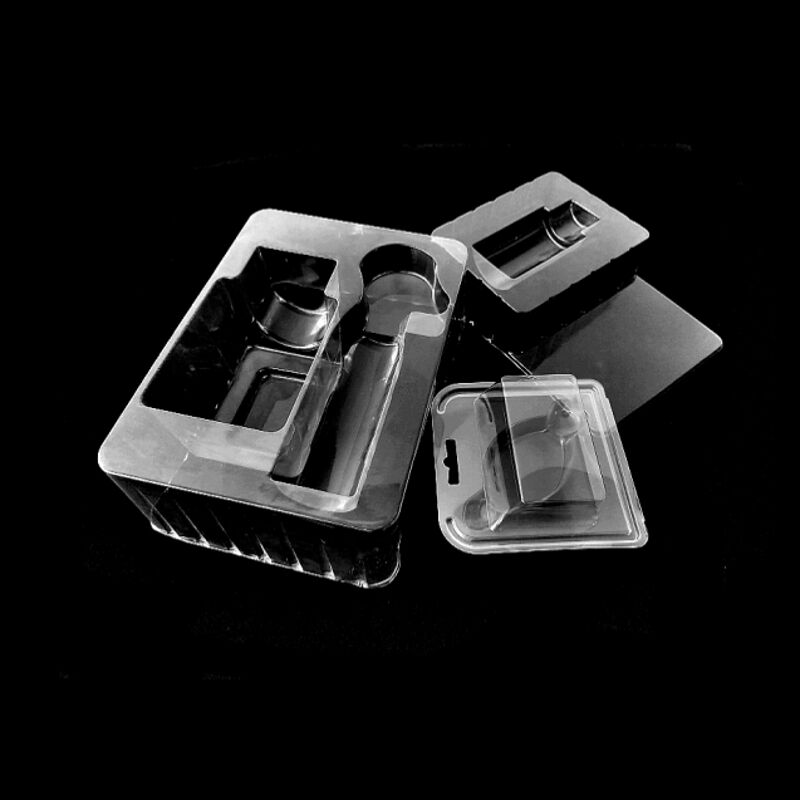
When you walk through the aisles of a pharmacy, a hardware store, or a toy shop, you’re surrounded by one of the most overlooked innovations in modern packaging: blister plastic packaging. Transparent, compact, and oddly satisfying to open (or frustrating, depending on the seal), blister packs have quietly revolutionized retail, logistics, and consumer safety. But in an era of rising environmental consciousness and smarter technology, this old guard of packaging is facing both reinvention and reckoning.
What is Blister Plastic Packaging, Really?
At its core, blister packaging is a form of pre-formed plastic packaging commonly used to enclose small consumer goods, foods, or pharmaceuticals. It usually consists of a thermoformed plastic cavity or pocket—often made from PVC, PET, or RPET—backed by a paperboard card, foil, or a plastic film.
But what makes it unique isn’t just its structure—it’s what it does:
-
Product visibility: Transparent casing allows the product to be showcased without opening.
-
Tamper evidence: Any unauthorized opening is immediately noticeable.
-
Portion control: Especially in pharmaceuticals, it enables accurate dosage.
-
Durability: Protects against external elements like moisture, oxygen, and light.
The Double-Edged Sword of Convenience
Blister packs are not just packaging—they are psychological tools. The consumer trusts what they can see. Whether it’s a pristine capsule of medication or a screwdriver snug in its cavity, blister packs enhance perception of quality and cleanliness. Yet, this very convenience comes at an environmental cost.
Traditional blister packs are notoriously difficult to recycle, especially when combining multiple materials (plastic + foil + paper). In most municipal systems, these packs are destined for landfill. Why? Because separating the materials is often economically unviable at scale.
So, the question arises—can we keep the good and remove the bad?
The Future of Blister Packaging: Between Innovation and Responsibility
Let’s peek into the next-gen evolution of blister plastic packaging.
1. Monomaterial Blisters
Some companies are pioneering monomaterial blister packs, where the entire package is made from a single type of recyclable plastic, such as PET. This simplifies the recycling process and reduces contamination.
2. Biodegradable Alternatives
Bioplastics derived from corn starch, algae, or sugarcane are being explored as replacements for petroleum-based plastics. These new-age materials can decompose under industrial composting conditions, leaving behind minimal trace.
3. Smart Blisters
Integration of NFC chips or QR codes in blister packs is adding new dimensions to consumer engagement and medication adherence. In healthcare, this allows tracking of when a pill is removed, helping in patient monitoring and automated refills.
4. Minimalist Engineering
Designers are increasingly embracing “design for disassembly”—ensuring that the components of the blister pack can be easily separated for recycling. Some even explore paper-based blisters with thin coatings that dissolve in water or alcohol.
Blister Packs in the Age of E-commerce
While blister packaging was born for retail shelves, it’s now being re-engineered for the booming world of direct-to-consumer shipping. The new challenge is to make blister packs that are impact-resistant, tamper-proof, and yet eco-conscious. This is accelerating the demand for modular blister units, which can fit seamlessly into sustainable shipping boxes and eliminate excessive bubble wrap.
Art Meets Utility: A Design Philosophy
In an age where unboxing is a ritual, blister packaging is getting a design facelift. Startups are treating blister packs not just as protective shells, but as brand ambassadors. Transparent, colored, or even textured plastics are being used to create visually stunning yet functional packaging.
Imagine a vitamin pack that tells a story through its shape, or a razor kit that feels like you’re opening a piece of tech—not a plastic prison.
The Verdict: Reinvention Over Rejection
Blister plastic packaging isn’t going anywhere. It’s too good at what it does. But the path forward isn’t mindless production—it’s mindful innovation.
If the industry embraces:
-
Circular design
-
Eco-responsible materials
-
Modular recyclability
-
Human-centered aesthetics
…then blister packs can evolve from environmental villains to sustainable heroes.
Because sometimes, the most revolutionary things are hiding in plain sight—behind a thin sheet of plastic.
Did You Know?
-
The word “blister” comes from the way the plastic bubbles around the product—like a skin blister!
-
The pharmaceutical industry began using blister packs in Europe decades before they became mainstream in the U.S.
-
NASA uses custom blister packs to organize astronaut medication in space.
Final Thought: The next time you tear open a blister pack, don’t just see plastic—see a crossroads of design, science, psychology, and sustainability.