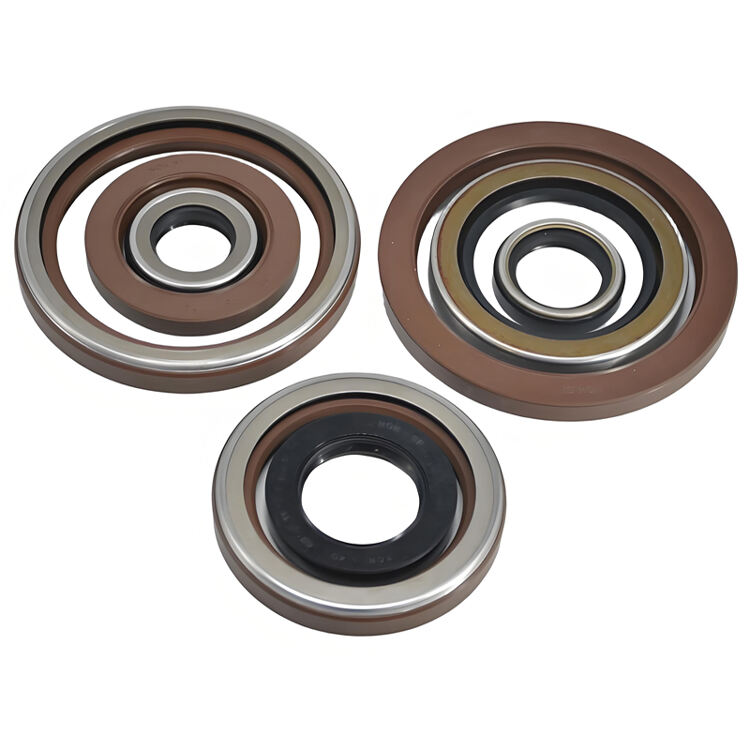
Oil seals are critical components in many mechanical systems, playing an essential role in ensuring the integrity, efficiency, and longevity of machines. Whether used in automotive, industrial, or heavy machinery applications, these seals prevent the leakage oil seals suppliers of oils and lubricants, protect against contaminants, and contribute to the smooth operation of moving parts. Choosing the right oil seal supplier is crucial for both Original Equipment Manufacturer (OEM) and aftermarket needs. The quality, reliability, and availability of oil seals are factors that can significantly affect system performance, maintenance costs, and overall operational efficiency.
What Are Oil Seals?
Oil seals, also known as lip seals or rotary shaft seals, are designed to create a tight, leak-proof barrier between rotating or moving parts and stationary parts, such as a housing or casing. These seals are typically made of rubber, polyurethane, or other durable elastomers, and they feature a flexible lip that presses against a rotating shaft to prevent oil and other fluids from leaking out of a system. Oil seals also help keep dirt, debris, and moisture from contaminating sensitive parts, thereby preventing wear and tear.
Oil seals are used in a variety of applications, including automotive engines, transmission systems, pumps, hydraulic equipment, and agricultural machinery. Their reliability is paramount, as even a small leak can lead to system failure, reduced efficiency, or extensive damage over time.
Importance of Trusted Oil Seal Suppliers
Choosing a trusted oil seal supplier is crucial for both OEM and aftermarket applications. Suppliers must be able to provide products that meet strict industry standards for performance, durability, and safety. For OEM manufacturers, the relationship with a seal supplier is especially critical, as the components need to match the specific design and performance requirements of the original equipment. Similarly, for aftermarket needs, customers rely on suppliers to provide high-quality seals that offer long-lasting performance, compatibility, and cost-effectiveness.
Key factors that make a supplier trustworthy include:
-
High-Quality Materials:
Trusted oil seal suppliers use high-quality elastomers and advanced manufacturing techniques to produce seals that can withstand extreme conditions, such as high temperatures, pressure, and exposure to chemicals. These seals are designed to meet or exceed industry standards for sealing capabilities. -
Customization:
OEM customers often require seals that are designed to specific dimensions or performance characteristics to match the unique requirements of their equipment. A reliable supplier will offer custom seal solutions, ensuring that the seals are tailored to the exact specifications needed for the machinery in question. -
Consistent Availability:
Oil seal suppliers must have a reliable supply chain to ensure the consistent availability of seals. For both OEM and aftermarket needs, timely delivery of high-quality seals is essential to avoid production delays or equipment downtime. -
Comprehensive Product Range:
A reputable supplier should offer a wide range of oil seals to suit various industries and applications. This includes different sizes, materials, and sealing technologies to cater to specific requirements. Suppliers should also offer seals for both OEM and aftermarket applications, ensuring customers have access to the right products at the right time. -
Industry Expertise:
Experienced suppliers often bring valuable knowledge about seal design, material selection, and application performance. This expertise is crucial for ensuring the oil seals meet the most stringent standards and can perform effectively in challenging environments.
OEM vs. Aftermarket Oil Seal Needs
While OEM and aftermarket oil seals serve the same purpose, the needs of each market differ slightly.
-
OEM Oil Seals:
Original Equipment Manufacturers rely on oil seal suppliers for components that fit their designs precisely and meet specific engineering requirements. These seals are often used in the manufacturing process of new machines, vehicles, or equipment. OEM suppliers must meet high-quality standards, provide precise dimensions, and maintain a consistent supply to meet production schedules. Customization and long-term reliability are critical for OEMs, and choosing the right supplier can directly impact the efficiency and performance of the final product. -
Aftermarket Oil Seals:
The aftermarket sector focuses on replacing worn or damaged oil seals in existing equipment, vehicles, or machinery. Aftermarket seals must be compatible with a wide range of older or widely used models. The main priorities for aftermarket customers are quality, availability, and price. Aftermarket oil seals are often sourced from trusted suppliers who can offer cost-effective options without compromising on performance. These seals must meet high standards to ensure that they deliver the same performance as the original components.
Benefits of Choosing a Trusted Oil Seal Supplier
-
Enhanced Durability and Performance:
Trusted suppliers provide oil seals made from high-quality materials, ensuring superior durability and performance. Well-manufactured seals can resist wear, temperature fluctuations, and chemical exposure, which prolongs the life of machinery and reduces the need for frequent replacements. -
Reduced Risk of Leaks and Contaminants:
A well-designed oil seal prevents leaks and contamination from entering critical parts of the equipment. For industries such as automotive, aerospace, and manufacturing, even a small leak can result in significant downtime, reduced efficiency, or equipment failure. Quality oil seals help maintain the integrity of these systems. -
Cost-Effective Solutions:
By choosing a trusted supplier, both OEMs and aftermarket customers can avoid the costs associated with frequent seal replacements, repairs, or system failures. Reliable oil seals reduce the risk of downtime and extend the life of machinery, providing a more cost-effective long-term solution. -
Timely Delivery and Support:
Trusted suppliers understand the importance of timely delivery in maintaining production schedules and reducing machine downtime. Reputable suppliers offer efficient ordering systems, fast lead times, and responsive customer support to address issues promptly. -
Compliance with Industry Standards:
A trustworthy oil seal supplier adheres to international standards and certifications, ensuring their products meet regulatory requirements for safety, performance, and environmental impact. This ensures that customers receive seals that are reliable, safe, and compliant with industry norms.
Conclusion
Oil seals are integral to the smooth functioning of numerous industrial and automotive systems, and selecting the right supplier is vital for maintaining efficiency and minimizing operational costs. Trusted oil seal suppliers provide high-quality, reliable seals for both OEM and aftermarket applications, offering durability, precision, and customized solutions to meet specific needs. With the right supplier, industries can ensure that their equipment performs optimally, stays leak-free, and enjoys extended operational life—contributing to improved productivity and reduced maintenance costs over time.